What Is Clipping?
The full explanation of why this model exists, who funds it, how money actually flows, and what you need to understand before you post a single clip.
What clipping actually is
Clipping is the practice of taking long-form content — live streams, podcasts, interviews, YouTube videos, music sessions — and cutting it into short-form clips distributed across TikTok, Instagram Reels, YouTube Shorts, and X. The person doing this is the clipper. Their job is not to create original content but to identify the best moments in existing content and repackage them for short-form feeds.
In the most basic version, clippers do this voluntarily for creators they enjoy. In the performance-clipping model, this same activity is tied to a structured payout system where views — specifically qualified views — convert to cash. That is where it becomes a business.
What makes clipping unusual compared to most "make money online" models is that the core skill is judgment, not production. You are not building a product, running ads, or developing a brand personality. You are making decisions about what is worth watching and then distributing it efficiently. That distinction matters, because it means the barrier to entry is low but the ceiling on skill is higher than it looks.

Why brands and creators actually pay for this
To understand why clipping works as a business, you need to understand it from the buyer's side first. Brands pay because the unit economics of clipping are more efficient than almost any other form of digital attention they can purchase.
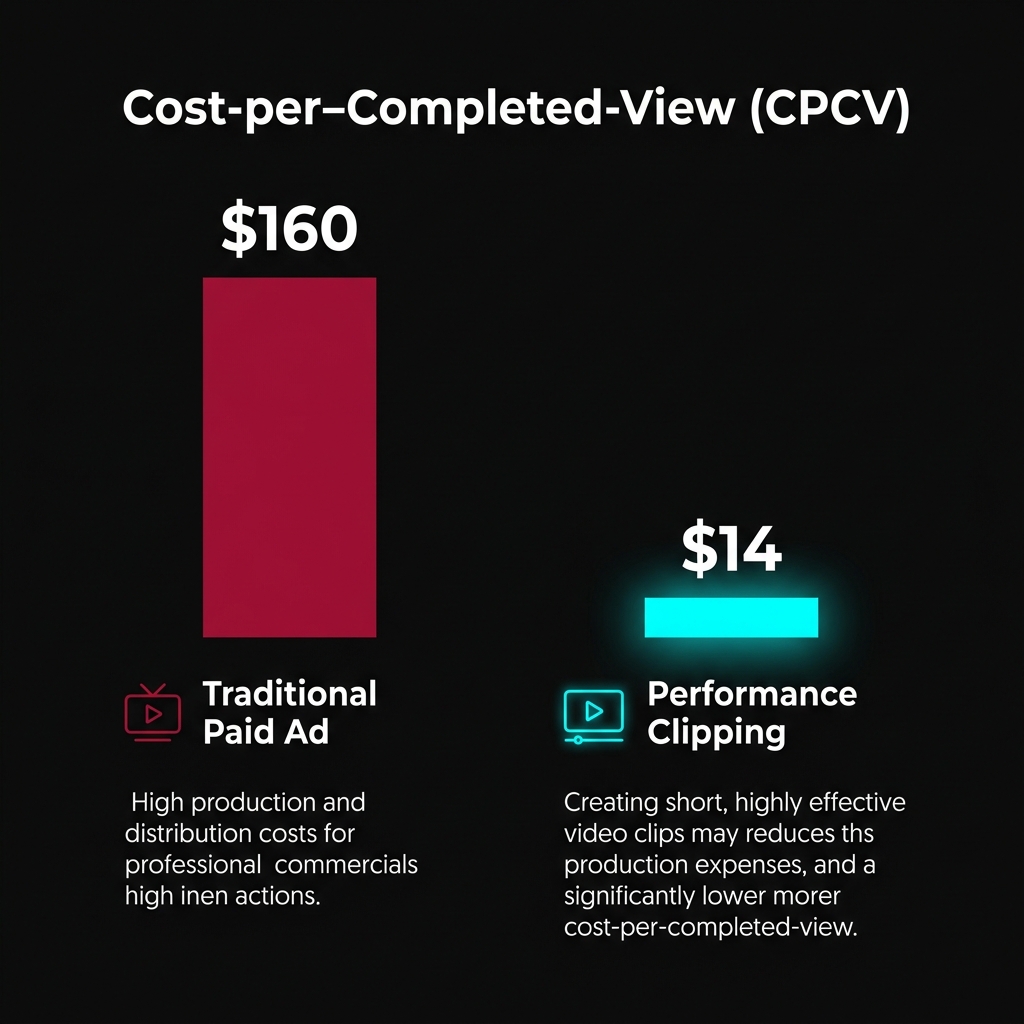
A traditional paid social ad on TikTok or Instagram costs somewhere between $10 and $50 CPM depending on targeting and creative quality. It is interruption-based, clearly labeled as an ad, and increasingly filtered out by both users and algorithms. Performance shifts significantly when content feels native to the feed.
Clipping campaigns typically pay between $3 and $15 CPM — often significantly below the rate of a direct ad buy — yet the content performs better because it does not look like an advertisement. It looks like organic short-form content. Watch time is higher, share rates are higher, and discovery is driven by platform recommendation rather than forced placement.
The buyer's math
For creators, the math is different but equally compelling. A streamer who generates 10 hours of content per week cannot personally cut all of it into short-form posts. Even if they could, the volume required to stay competitive on short-form platforms would take hours away from their core output. Clippers solve that distribution problem without requiring the creator to change how they work.
Community-based campaigns (often run through Discord) work on a similar principle. A brand or community wants distribution across many pages and many audiences simultaneously. A single paid social buy cannot replicate the organic reach of 50 clippers each posting to their own niche audiences. The result feels authentic because it is coming from many sources, not one.
The three types of clipping operations
Not everyone doing clipping is doing it the same way. Understanding which type of operation you are building — or which you want to build — changes how you should set up, what campaigns make sense, and what scale is realistic.
Organic clipper
Clips content they enjoy, builds niche pages for their own following or fanbase. May not be in any formal campaign. Revenue comes from platform monetization, merchandise, or eventual brand deals.
Campaign clipper
Joins structured campaigns through marketplaces or Discord servers. Gets paid CPM on qualified views. Runs one or more niche pages specifically to generate campaign-eligible traffic. This is the most common serious model.
Clip operator
Runs multiple pages across multiple niches, manages a team of editors, reviewers, and publishers. Selects campaigns strategically, tracks ROI per page, and treats the operation like a business with real margins.
Most people reading this are starting as a campaign clipper or working toward being one. The academy is structured around that path: understand the model, build the right pages, develop posting discipline, learn campaign judgment, and eventually build the systems that let you scale. Chapter 7 is where operator territory begins.
Why short-form platforms are structurally good for clipping
TikTok, Reels, and Shorts all operate on recommendation-first algorithms. Unlike follower-based platforms where you need an existing audience before your content reaches anyone, recommendation-first platforms push content to non-followers from the moment it is posted. A new account with zero followers can get 100,000 views on its first clip if the content performs well.
This changes the economics of building an audience. On a follower-based platform like Twitter in 2012 or YouTube in 2015, audience size was the primary lever. Distribution came after you had built the audience. On recommendation-first platforms, strong content can bypass that entirely — the algorithm decides who sees it based on how people interact with it, not based on who already follows you.
For clippers, this is structurally favorable. You do not need to build a large audience before your clips can generate views. You need to make clips that the algorithm decides to push — which is determined primarily by watch time, completion rate, and engagement in the first few hours. That is where editing judgment and niche focus matter most.
How the push works
The practical implication is that niche-signal matters at the account level because it helps the algorithm know which test batch to push to first. A gaming clip on a gaming-focused account gets pushed to people who watch gaming content. That audience is more likely to complete the video, which means the first push goes better. This is one concrete reason why niche coherence actually affects performance.
How the campaign model works end to end
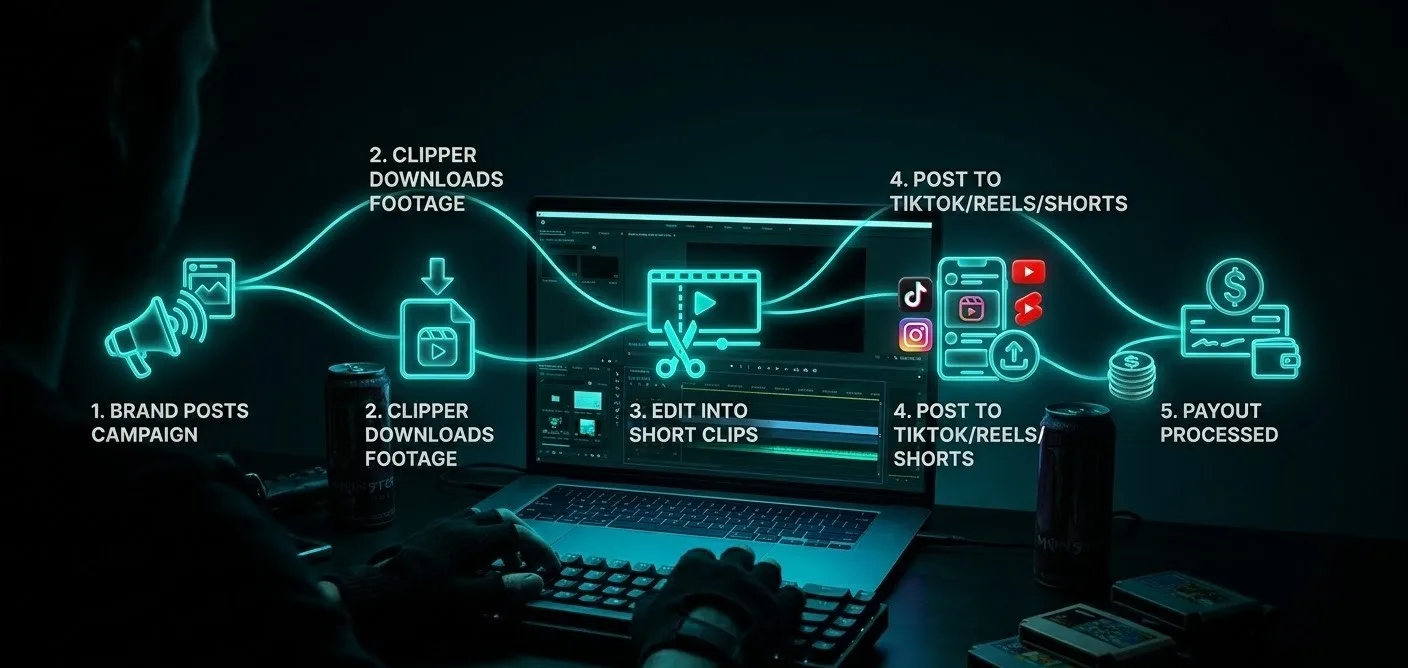
- Brand or creator publishes a campaign brief. This defines what content can be clipped, what platforms are eligible, what views qualify, and what CPM is on offer.
- Clippers opt into the campaign through a marketplace, Discord server, or direct agreement. Some campaigns require page verification or minimum follower counts.
- You select source material and produce clips that comply with the campaign brief. You post them to your eligible pages.
- Views accumulate. Some campaigns track automatically via link or tracking pixel. Others require manual submission of post URLs and screenshots.
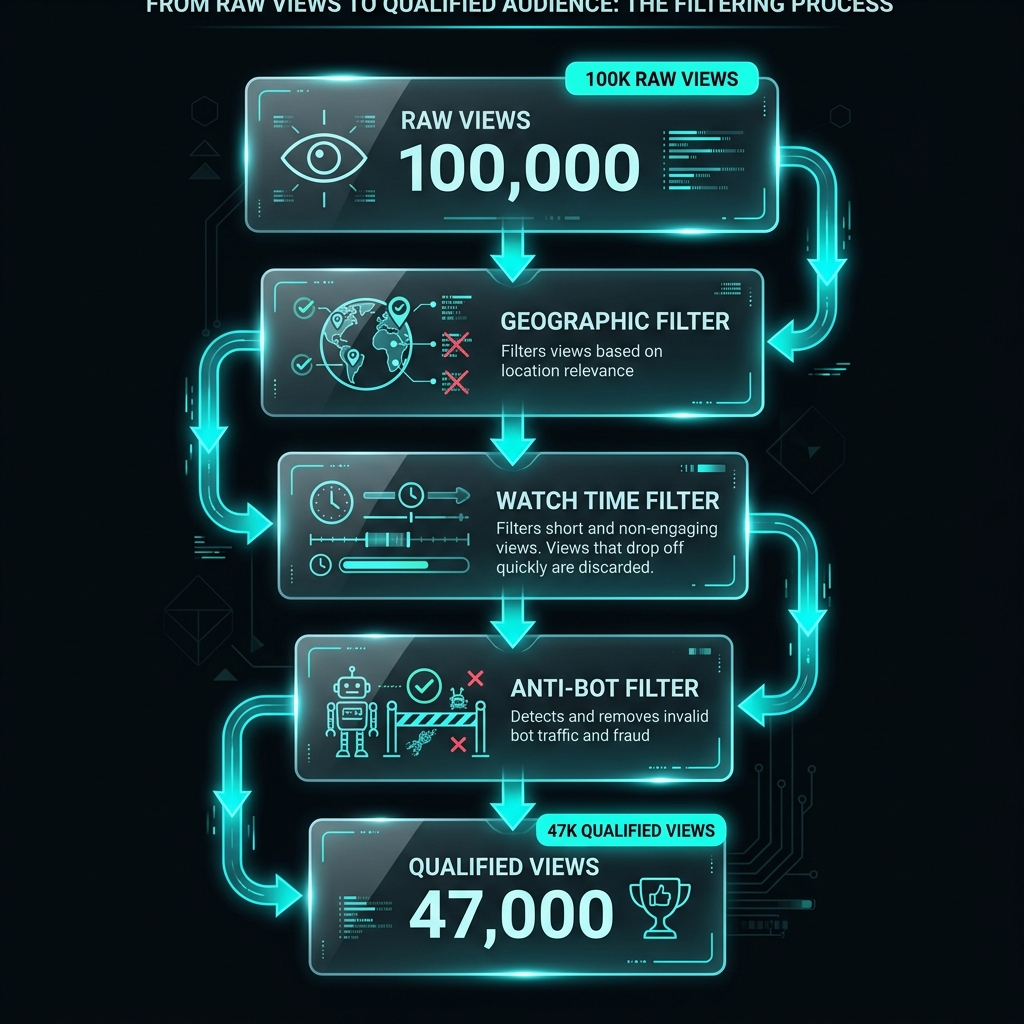
- The platform or operator applies qualification filters. Raw views are reduced to qualified views based on geography, watch time, and compliance.
- Payout is calculated and processed. Weekly, bi-weekly, or monthly depending on the operator. Paid via PayPal, crypto, or direct transfer.
The biggest leverage point in this chain is step 3 — the quality of the clips you make and how well they fit the campaign and the platform. Everything downstream (views, qualification rate, payout) depends on how well that step goes.
What real earnings look like at different levels
Community screenshots tend to show the best results. This section tries to give a more honest picture of what different levels of operation actually produce.
- 1–2 pages, one niche
- 1 clip/day, learning phase
- Inconsistent campaign selection
- Low qualification rates, new pages
- 3–6 established pages
- 2–3 clips/day with consistency
- Selective campaign joining
- Strong niche focus, higher qual. rates
- 10+ pages across multiple niches
- Team of editors and publishers
- Campaign negotiation and selection
- SOPs, QA, and payout tracking systems
These ranges are honest estimates based on what the model can realistically produce. The variance within each tier is large because it depends heavily on which campaigns are available, which niches are performing, and how well the pages are built. What the ranges do not show is the time to get there — most people spend 2–4 months in beginner territory before crossing into consistent intermediate income.
Who funds clipping campaigns and why
Understanding who pays — and what they are trying to achieve — helps you evaluate campaigns better and choose the ones that are more likely to pay reliably and at a rate worth the effort.
iGaming and crypto brands
The highest-CPM campaigns in the ecosystem. These verticals have high customer lifetime value, making expensive acquisition economics viable. A single signup can be worth hundreds to the brand, which is why they pay more per view.
Streamers and creators
Want clip distribution to grow their own audiences. They often make source material freely available and pay lower CPMs. The upside is high content volume and creative flexibility — you can clip almost anything on stream.
Music labels and artists
Use clipping to drive streams and awareness. Often time-sensitive (album or single release windows). Campaign quality varies widely — some run tightly structured programs, others are disorganized. Verify payment track record first.
Discord communities and networks
Coordinate campaigns on behalf of multiple brands simultaneously. Often have structured verification, payout calendars, and community support. Quality ranges from professional operations to disorganized groups — do due diligence on the server before committing pages.
How views actually become money — the full breakdown
The CPM calculation looks simple on the surface. Beneath it, there are several filters that most beginners do not think about until they receive their first payout and it is lower than expected.
The full calculation
What does this mean practically? A video with 100,000 raw views might realistically qualify like this:
That is not a bad result. But if your page had poor geographic distribution — say, most views coming from low-value regions — the geographic weight drops to 0.3, and suddenly the same clip earns $144 instead of $335. This is why page quality, niche selection, and the geographic makeup of your audience are not secondary concerns. They are the core levers on your earnings.
Clipping versus content creation — the real difference
The confusion between clipping and content creation matters because it leads to wrong expectations. Content creators build personal brands — their face, voice, or personality is the product. They need consistency over years to build a following that generates revenue. Clippers build distribution pages — the niche and the quality of clip selection is the product.
This means clipping can produce revenue much faster, because you do not need to wait years to build a personal brand. It also means clipping pages are more replaceable — if one page gets restricted or performs poorly, you build another in the same niche and the system continues.
Clipping advantages
- No face or voice required
- Revenue possible within weeks not years
- Pages are replaceable if lost
- Scales through volume and team, not fame
- Source material is abundant and free
Clipping limits
- Revenue is tied to campaigns — if campaigns dry up, so does income
- Pages rarely build the loyal audience a creator does
- Platform policy changes can restrict accounts
- The model requires consistent operational output
What most beginners get wrong — and why it stops them
The pattern of failure in clipping is remarkably consistent. The same mistakes appear across almost everyone who tries it and stalls.
The pattern under the pattern: all of these mistakes trace back to treating clipping as a lottery instead of a system. The people who consistently earn from it treat every variable — niche, page quality, campaign selection, posting consistency — as something they can improve on purpose. The people who struggle believe the results are mostly random.
What to do with this information
Before you open TikTok and start creating accounts, spend time thinking about which of the three operation types you are building toward. The decisions you make in the next few chapters — niche, platform, setup, warm-up — compound. Getting the foundation right is not optional.
Chapter 2 starts with the single most important early decision: which niche you are going to build around. Most people pick this randomly. There is a much better way to do it.